


 XEN Create
NotebookLM: A Smarter AI Research Tool than GPT
NotebookLM simplifies research and content creation by summarising, organising, and analysing important information for students, creators, and...
In the AI world, tools come and go so fast that most of them don’t even get a proper nickname.
But this one did: “Nano Banana Pro”
Officially, it’s "Gemini 3 Pro Image" from Google. Unofficially, it’s that model you keep seeing all over X, Discord, and design group chats.
So why is everyone, from UI designers to small business owners, suddenly obsessed with it?
Simple. It finally gives us three things we’ve all been begging for:
Text you can actually read
Consistent outputs
Smarter “reasoning” over your prompts and references
Here’s a quick breakdown of what Nano Banana Pro is, what it’s good at, and where it still has limits.
Nano Banana Pro is basically the leveled-up version of the original “Nano Banana” (Gemini 2.5 Flash Image). The first version was already fun and fast. The Pro version is built on the Gemini 3 reasoning engine, so it doesn’t just spit out pixels, it actually “thinks” about:
Lighting
Physics
Context in your scene
So when you ask for a product shot in a studio with soft light, it doesn’t just guess. It behaves more like a junior art director that actually listens.
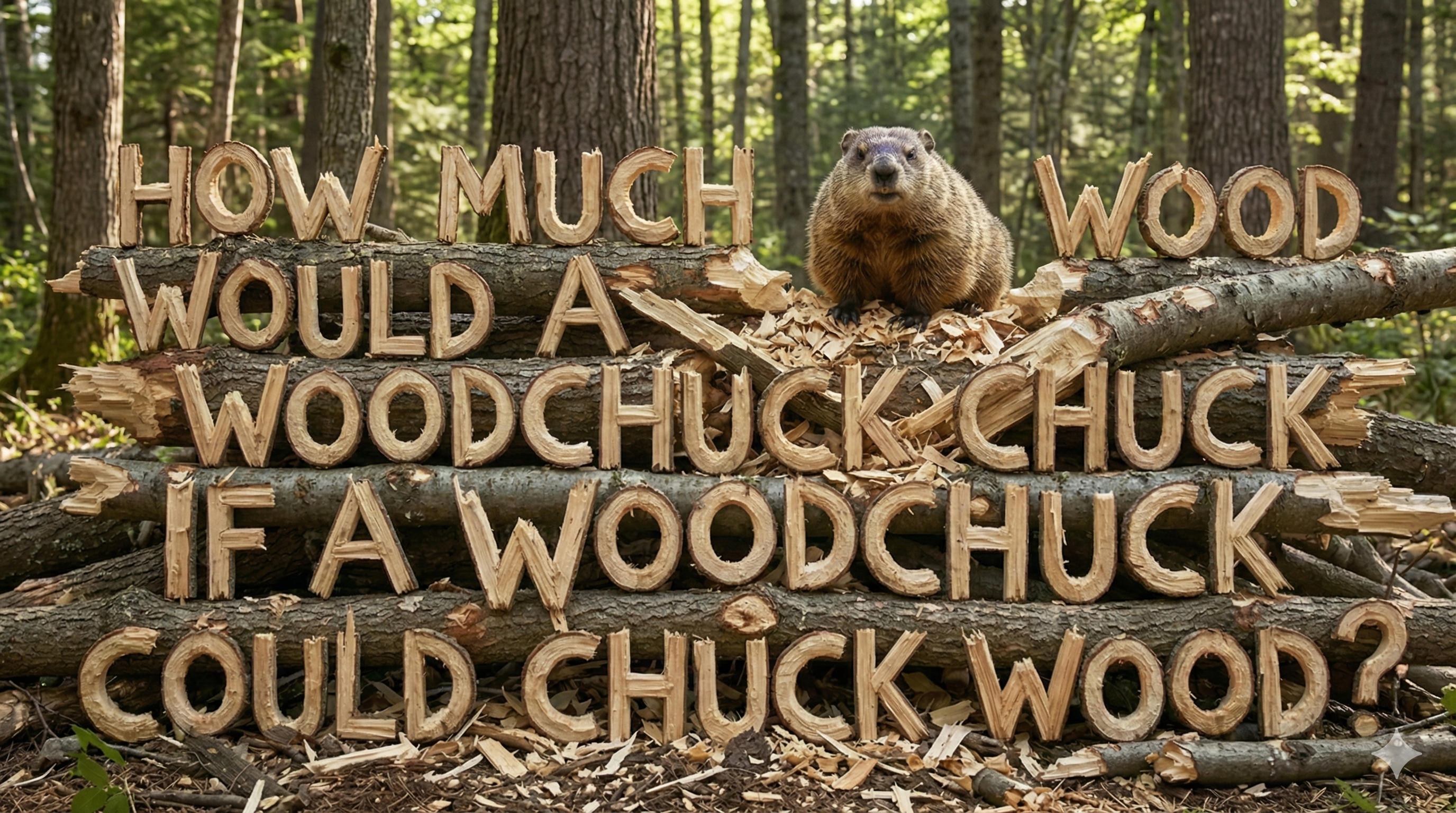
For the longest time, AI image tools were allergic to text. You’d ask for a STOP sign and get “SOTP” on a weird shape. Nice image, useless output.
Nano Banana Pro fixes a big chunk of that problem:
It can spell properly (most of the time).
It works in multiple languages.
You can generate posters, UI mockups, menus, logos, etc. that are actually readable.
For marketers, designers, and content creators, this is a big deal. You can now generate something like a coffee shop chalkboard menu where the specials don’t look like alien language.

Limit: It’s not 100% perfect. Long paragraphs or super-complex typography can still break. Use it for headlines, UI labels, short phrases, and layouts, not for full-page legal disclaimers.
Most tools let you upload 1 reference image and hope for the best.
Nano Banana Pro lets you upload up to 14 images at once.
You can feed it:
Product shots
Color palette
Pose references
Lighting style
Background samples
Then you can say something like: “Make a studio shot combining these references in one clean, cohesive scene.”
That’s where it starts to feel less like a random image generator and more like a low-key creative director.
Limit: The more images you add, the more clear you need to be in your prompt. If you just dump 14 images with vague instructions, it can still get confused about what to prioritise.
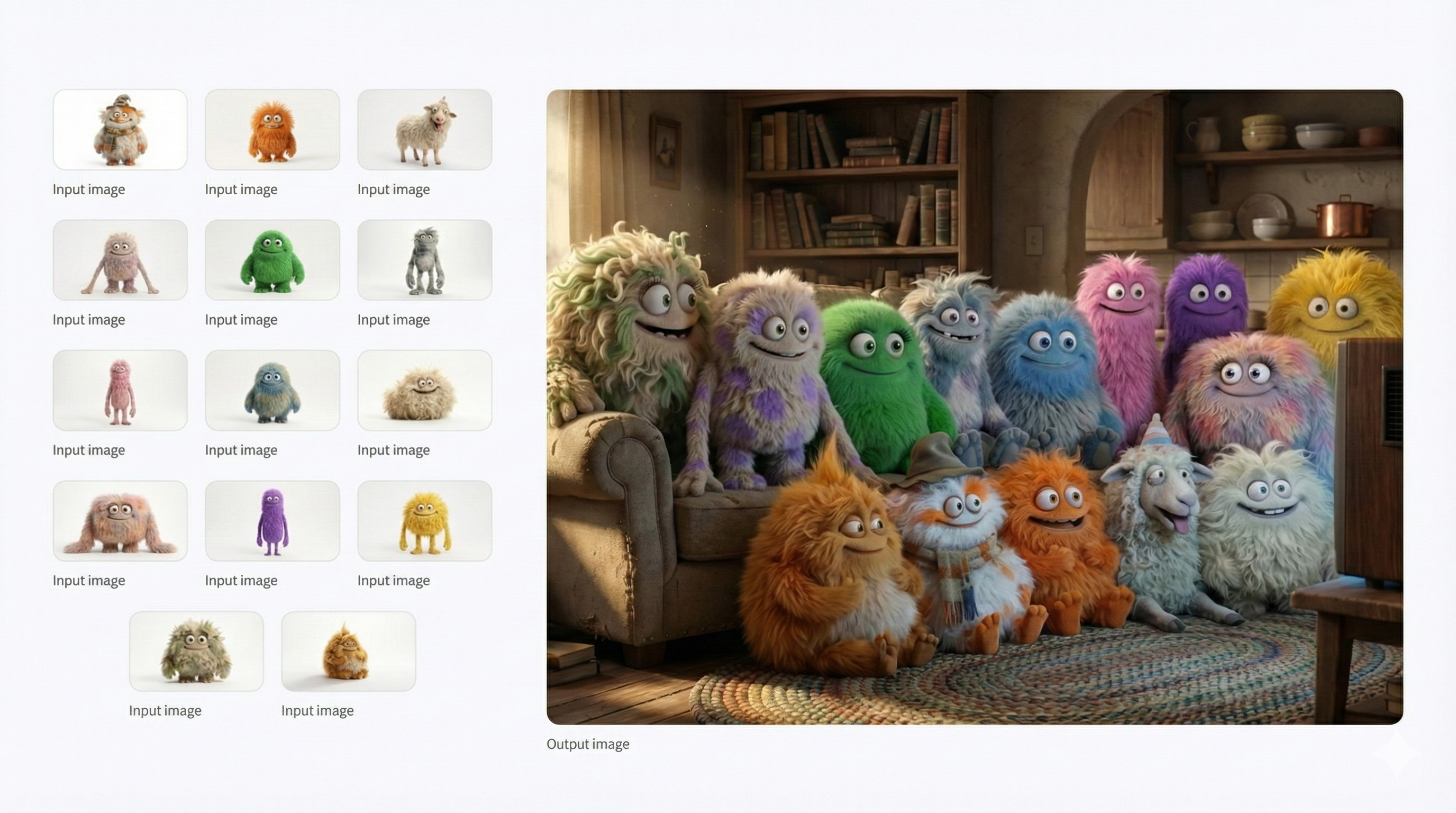
One of the most frustrating parts of AI art is when you land on a character you really like, and in the very next frame they suddenly look like a distant cousin from another universe.
Nano Banana Pro supports consistency for up to 5 characters.
You can:
Build a small cast
Use them across panels, storyboards, or thumbnails
Keep skin tone, face structure, and hairstyle more stable
Perfect for:
Short comics
Storyboards
Recurrent characters for content series
Limit: It’s not Pixar-level consistent. If you go wild with angles, lighting, or extreme styles between shots, it can still drift. Think “recognisably the same person,” not “frame-perfect clone.”
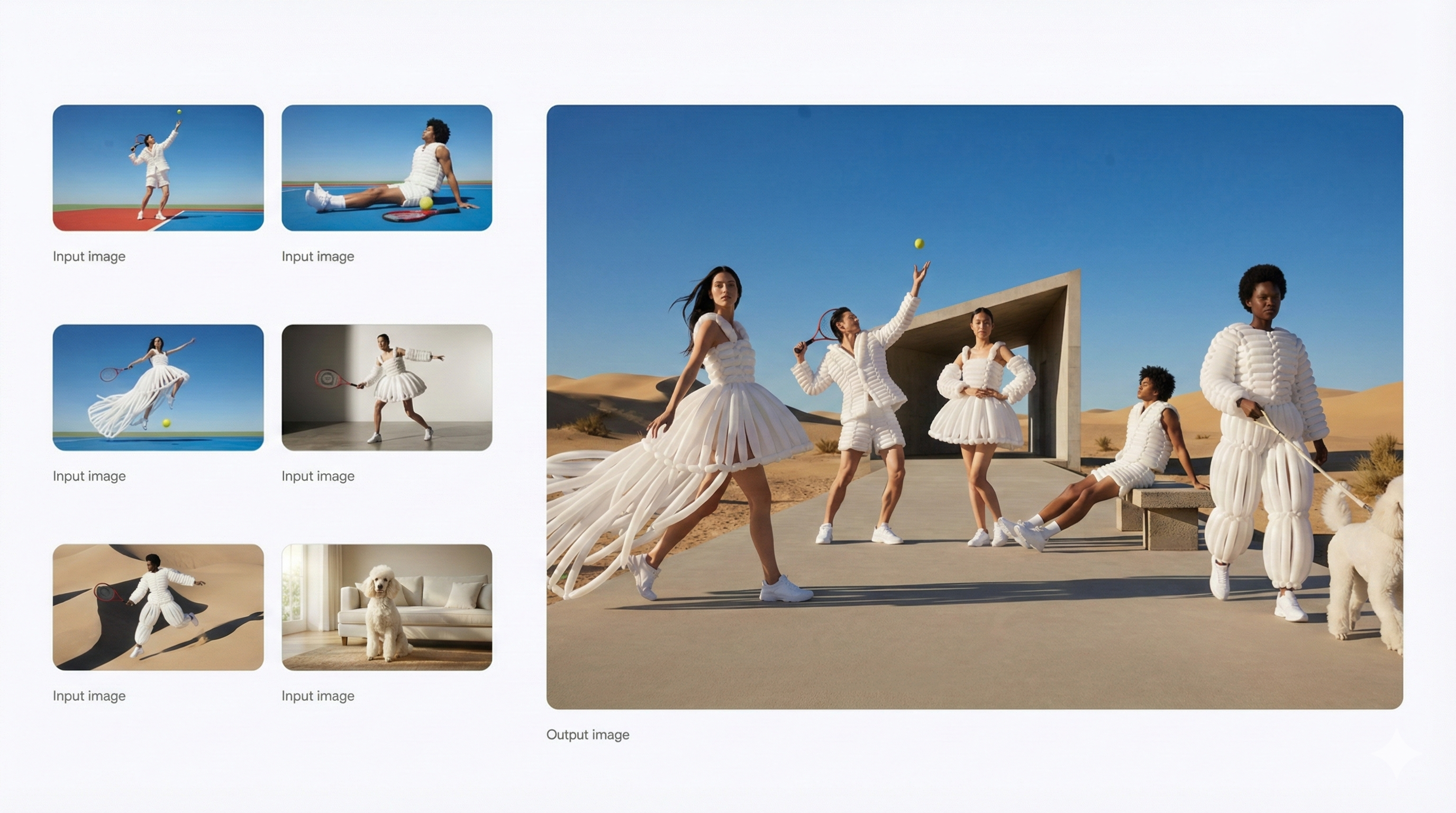
Here’s the quick comparison:
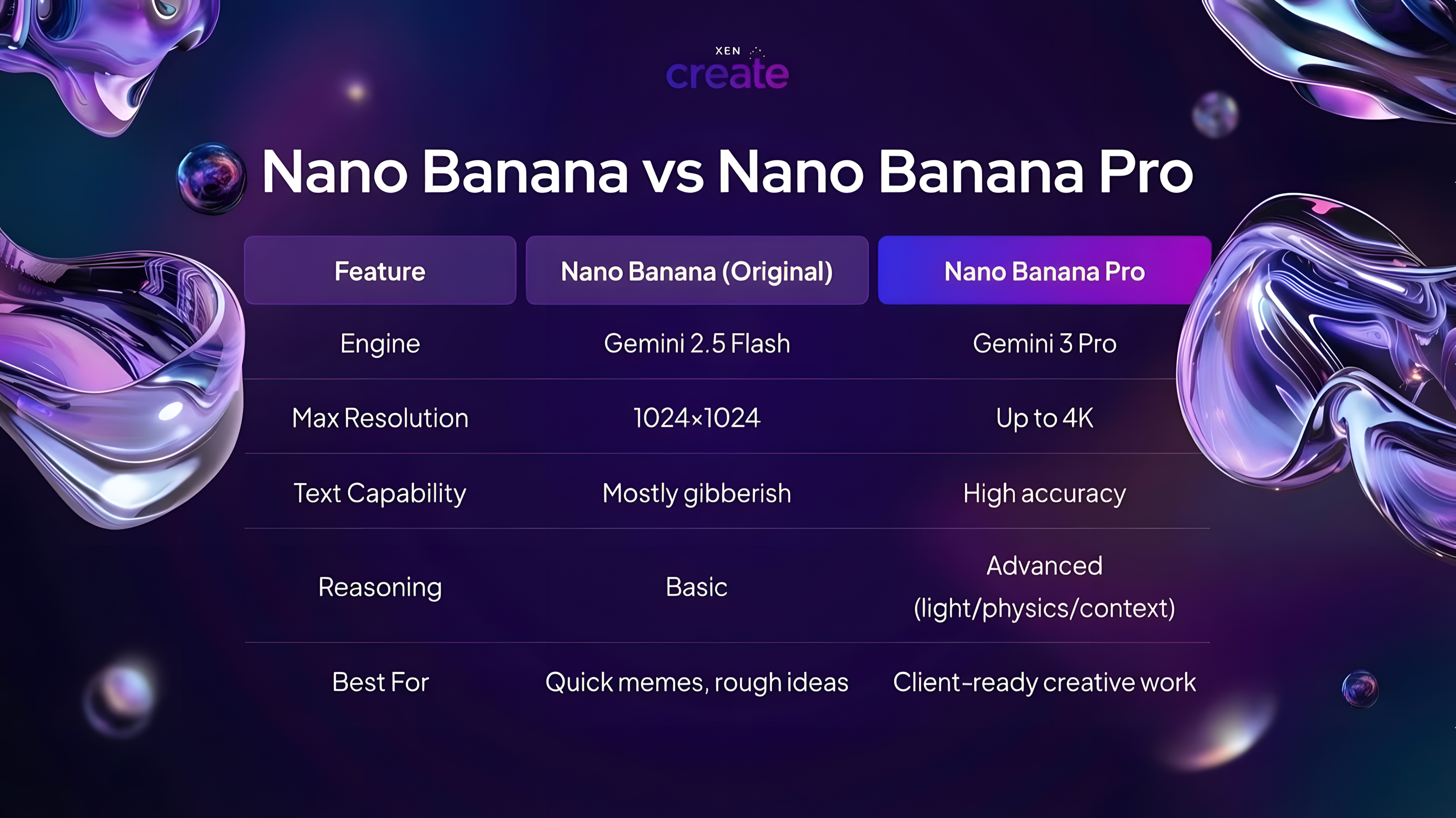
Short answer: Yes, if you create visuals for work.
The fun nickname “Nano Banana Pro” makes it sound like a toy, but the engine is very much production-ready if you treat it right:
It fixes a lot of the old pain points: text, consistency, context.
It’s built for people who actually care about brand, layout, and detail.
It feels less like playing with a random AI and more like working with a fast, slightly chaotic assistant.
If you’re using the Gemini app and haven’t tried Thinking Mode yet, turn it on and see how far AI visuals have come. Once you’ve seen an AI that finally gets the words right, you’ll never settle for anything less.
NotebookLM simplifies research and content creation by summarising, organising, and analysing important information for students, creators, and...
Comparing free versions of Claude, Gemini, and ChatGPT for text generation and AI assistance. Explore strengths and weaknesses of each model for...

Discover how Gen-3 Alpha revolutionizes AI video creation, offering detailed control and realism. See a side-by-side comparison with Sora and learn...